
Whoa! I keep finding lots of folks confused about browser-based wallets. They’re worried about scams, careless approvals, and cross-chain safety. Okay, so check this out—I’ve been using Rabby on and off recently. Initially I thought it was just another extension, but after digging into its multi-chain approval flow, transaction simulation, and granular permission model I realized it solves a lot of real pain points for DeFi users.
Seriously? Yes, seriously — and not just because it’s open-source. My instinct said to be skeptical at first, understandably. On one hand browser wallets have repeatedly been the weak link when users blindly approve transaction permissions and sign arbitrary messages, though on the other hand Rabby’s workflow forces a pause and explains what each approval actually allows, which matters a lot when you’re juggling assets across Ethereum, BSC, Arbitrum, and other L2s. Actually, wait—let me rephrase that: it’s not magic, but the three features I care most about—approval controller, transaction simulation, and per-site account isolation—push the risk calculus in your favor, especially if you pair the extension with hardware keys or strict operational habits.
Hmm… What bugs me about many wallets is the opacity. They obfuscate approvals or batch them in confusing ways. Rabby surfaces allowance history, lets you revoke approvals, and highlights risky patterns. So when you see a dApp asking unlimited token approvals, Rabby gives you the context to say ‘no’ or at least to limit allowances, which is very very useful when balancing convenience and safety.
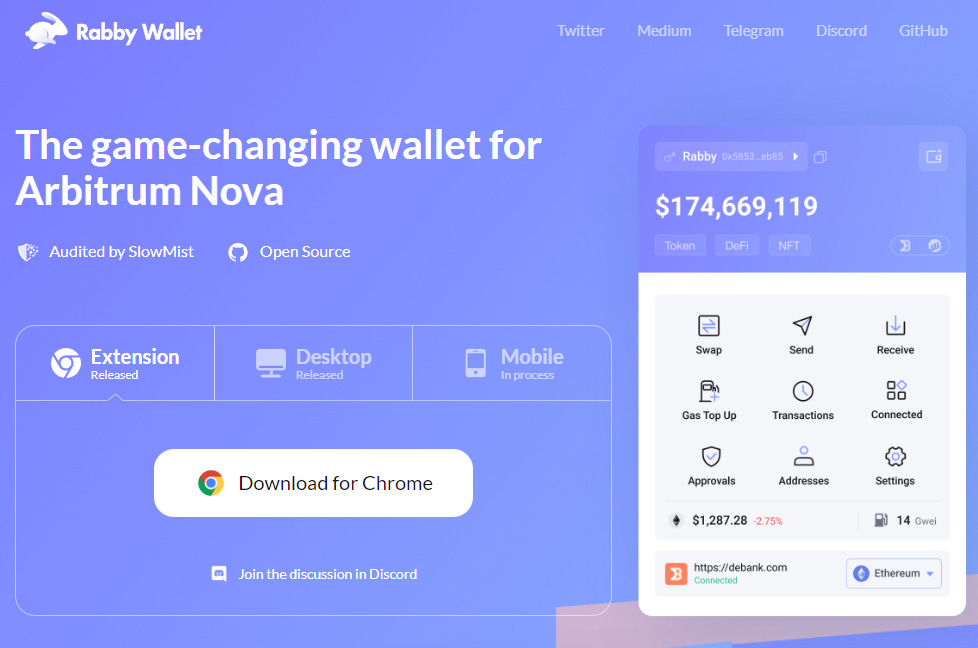
Here’s the thing. I moved funds between L1 and several L2s last month. It felt messy until I used account isolation and simulated transactions. On that day I accidentally initiated an approval that would have opened a token to an unknown router, but the extension’s permission warnings and the option to revert the approval in a couple clicks saved me from a potential exploit that I might have missed if I were rushing. On one hand the feature set is approachable for power users, though actually newbies notice the calm, explanatory modals that reduce fear and help them learn safe patterns instead of encouraging blind clicking.
How to get Rabby safely
Wow! If you want to try it yourself, the install is straightforward. I recommend verifying the official source before installing any wallet extension. For convenience here’s the download page where I grabbed my copy: rabby wallet download. Remember to check extension ID, read community notes, and if you’re on Chrome or Brave pair the extension with a hardware ledger, because that combination significantly reduces account compromise risk even if your browser session gets targeted.
I’m biased, sure. But I still want to be practical about tradeoffs. Here are some quick hard-won tips that actually help. Use account segregation for risky dApps, keep an allowance hygiene routine where you revoke unused approvals monthly, and test transactions with tiny amounts before committing large sums since these habits address the most common human errors that lead to losses. Finally, stay skeptical but not paralyzed: regularly update your extension, read changelogs, and join a few community channels where smart, skeptical people share alerts and somethin’ occasionally freak out about new vectors—which can be useful, even when the noise is high.
FAQ
How do I verify the extension before installing?
Check the extension ID and cross-reference it with official channels. Read recent changelogs and watch community commentary for odd behavior reports. If you plan to hold significant funds, use a hardware wallet in concert with the extension and maintain an allowance revocation routine since layered defenses handle many failure modes better than any single fix.